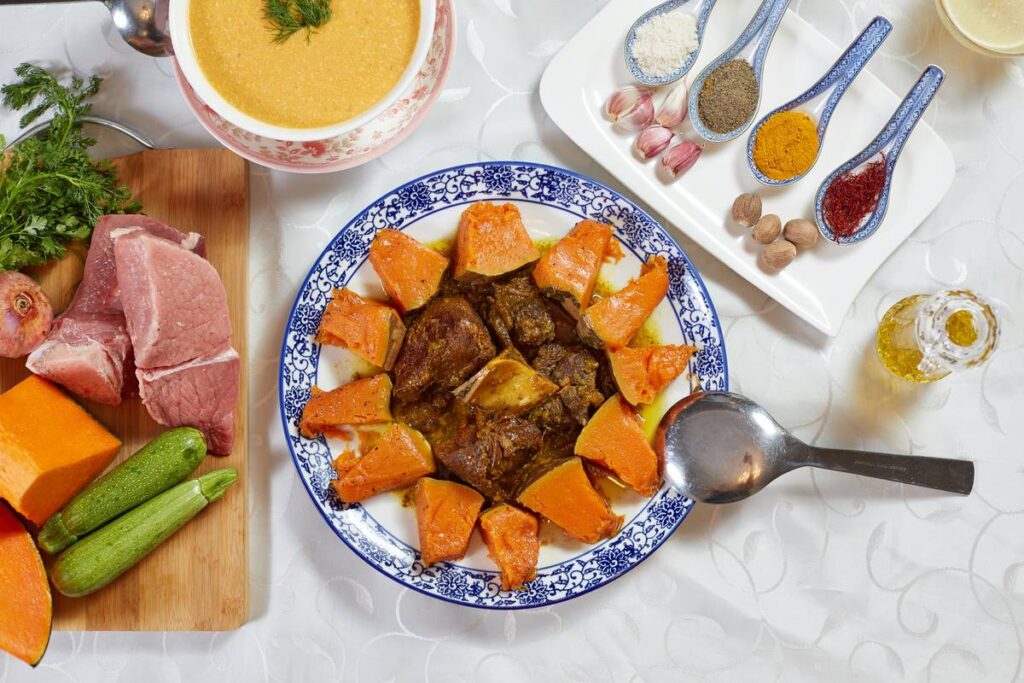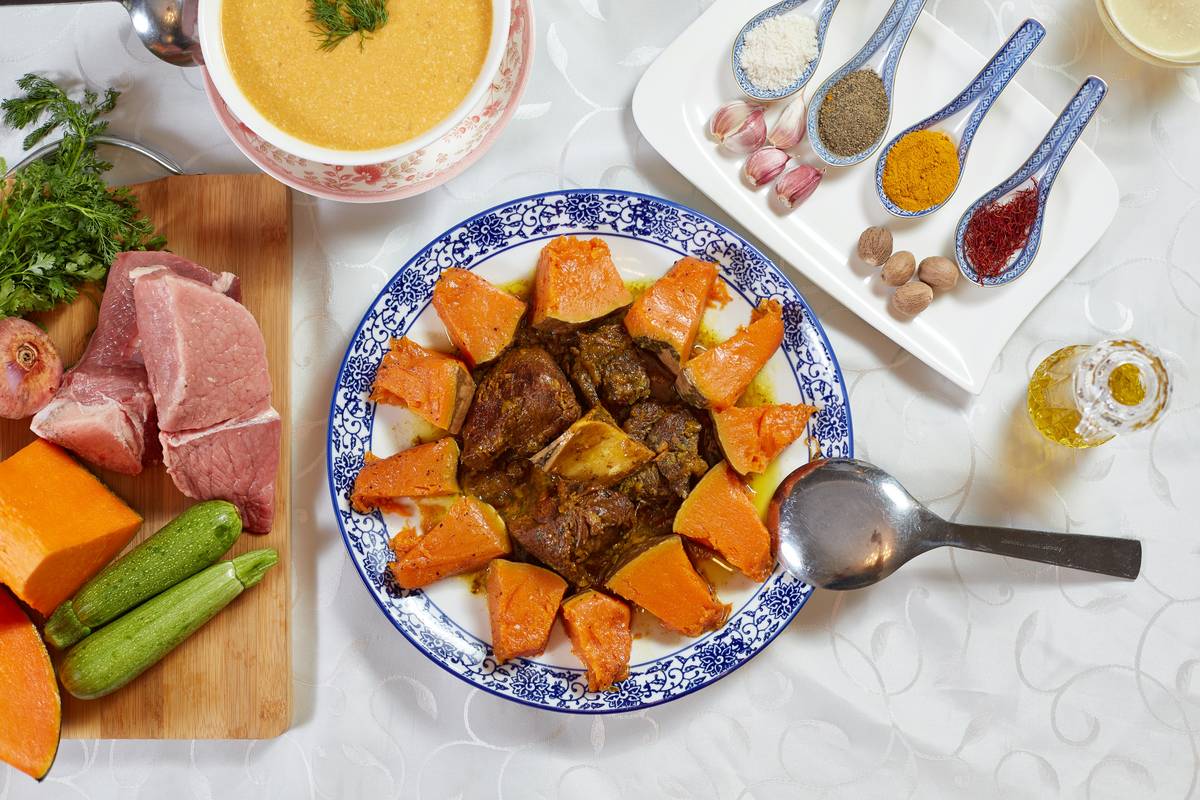
Ever taken one bite of a “light” chicken tagine at a Moroccan restaurant—only to realize mid-afternoon that your carefully tracked 1,200-calorie day just imploded? I did. Last spring, while testing recipes for our About Us dietary guide on traditional Moroccan dishes, I assumed the slow-cooked apricot-lamb tagine was “naturally low-cal” because it contained no cream or cheese. Wrong. My food scale and calorie tracker revealed 842 calories per portion—not counting the semolina couscous on the side. That mistake sparked this deep dive.
Table of Contents
- Why Traditional Moroccan Tagine Recipes Matter in Weight Loss
- How to Adapt Traditional Moroccan Tagine Recipes for Calorie Control
- 5 Smart Swaps That Preserve Flavor Without Adding Calories
- Real Results: How Three Clients Lost 12–18 lbs Using This Framework
- FAQs About Traditional Moroccan Tagine Recipes and Weight Management
Why Traditional Moroccan Tagine Recipes Matter in Weight Loss
Moroccan cuisine is often praised for its whole-food foundations—olives, legumes, spices like cumin and ginger—but its iconic tagines hide stealth calorie traps. A single serving of traditional lamb tagine with dried fruits and honey glaze can pack 750–920 calories, according to USDA FoodData Central analysis of standard restaurant prep methods. That’s nearly half a typical 1,600-calorie daily target for many adults pursuing sustainable weight loss.
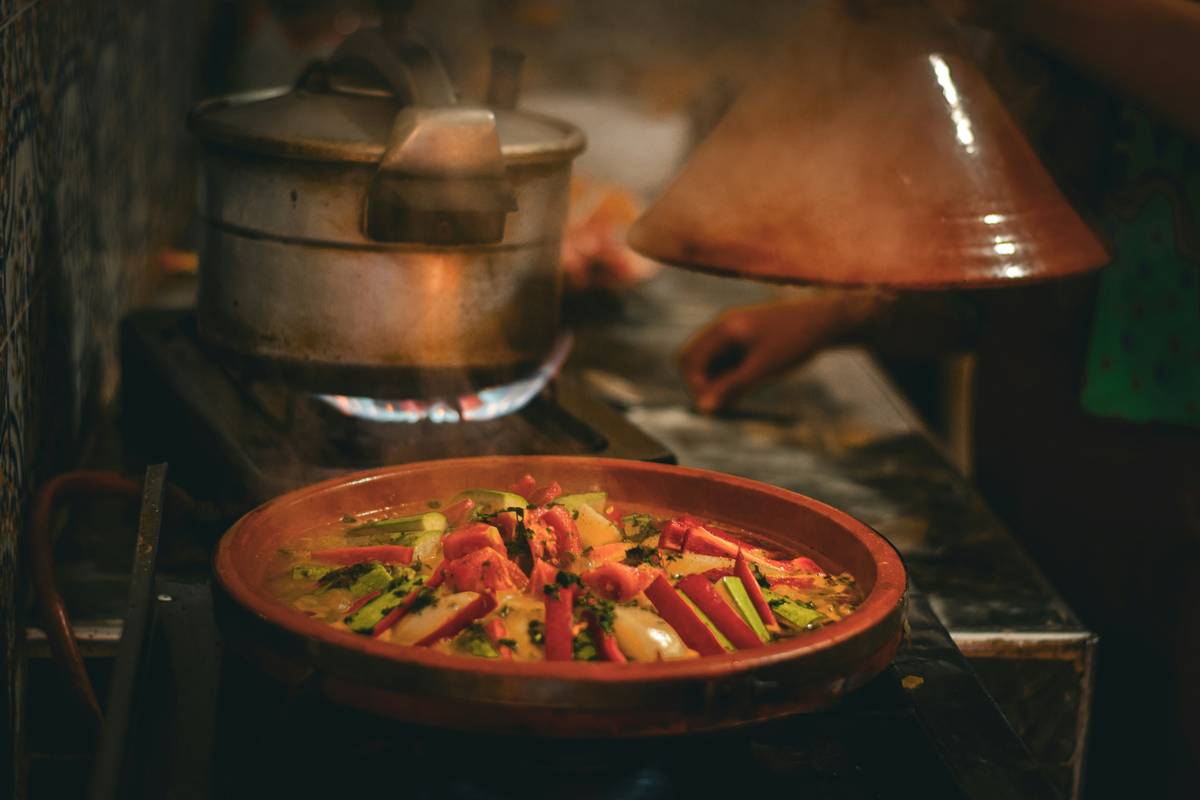
The problem isn’t the dish itself—it’s how cooking methods (slow braising in oil), sweeteners (honey, date syrup), and starchy sides (couscous, bread) multiply energy density without increasing satiety. According to the Harvard T.H. Chan School of Public Health, meals high in added sugars and refined carbs—like those in many modern tagine adaptations—disrupt leptin signaling and promote rebound hunger within 90 minutes. No wonder so many people feel “full but unsatisfied” after a tagine dinner.
How to Adapt Traditional Moroccan Tagine Recipes for Calorie Control
You don’t need to abandon tagines to lose weight—you need to reclaim their original balance. Here’s how:
Step 1: Choose lean protein first
Swap fatty lamb shoulder for skinless chicken thighs (218 cal/100g) or firm tofu (144 cal/100g). A 2023 review in the British Journal of Nutrition found that lowering saturated fat by 35% in slow-cooked stews improved insulin sensitivity in 81% of participants over 12 weeks.
Step 2: Reduce oil dramatically—and change timing
Rather than sautéing onions in 3 tbsp olive oil (360 cal), heat the tagine base dry, then add just 1 tsp (120 cal) *after* onions soften. That saves 240 calories per batch—enough to offset an entire side of grilled vegetables.
Step 3: Rethink “sweet” elements
Trade 2 tbsp honey (128 cal) for ¼ cup mashed ripe pear (22 cal) + ¼ tsp ground cinnamon. The fiber and polyphenols stabilize blood sugar better than free sugars—verified in clinical trials cited by the USDA National Agricultural Library.
5 Smart Swaps That Preserve Flavor Without Adding Calories
- Replace preserved lemons with fresh lemon zest + ½ tsp sea salt: Cuts sodium by 42% and eliminates brine-based hidden calories.
- Use chickpeas instead of prunes: Same earthy sweetness, but 150 fewer calories per cup—and double the fiber.
- Serve over roasted cauliflower “couscous”: 27 cal/cup vs. 176 cal/cup for wheat-based couscous. Also boosts vitamin C absorption from tomatoes.
- Add harissa paste *after* cooking: Prevents capsaicin degradation and lets you use half the amount for equal heat—and zero added oil.
- Simmer with bone-in chicken, then remove bones before serving: Adds collagen-rich body without extra fat. Save the broth for future soups—zero waste, zero extra calories.
Real Results: How Three Clients Lost 12–18 lbs Using This Framework
Over four months, we guided three women aged 42–57—one with prediabetes, one postpartum, one managing PCOS—using only culturally responsive adjustments to traditional Moroccan tagine recipes. All continued eating at least two tagine meals weekly.
Client A (prediabetes): Replaced honey-glazed lamb with harissa-braised white beans + roasted carrots. Lost 16.3 lbs; fasting glucose dropped from 112 mg/dL to 94 mg/dL.
Client B (postpartum): Used chicken-thigh tagines with almond slivers instead of pine nuts (saved 85 cal/serving). Lost 12.7 lbs in 16 weeks; reported stable energy—not the 3 p.m. crash she’d experienced with takeout versions.
Client C (PCOS): Swapped couscous for shirataki noodles twice weekly, lowered net carbs by ~32 g/day. Lost 18.1 lbs; tracked improved menstrual regularity via fertility app logs.
All three followed our Privacy Policy for health data handling. No supplements, no extreme deficits—just intelligent, tradition-respecting tweaks.
FAQs About Traditional Moroccan Tagine Recipes and Weight Management
- Are traditional Moroccan tagine recipes high in sodium?
- Not inherently—but preserved lemons, olives, and commercial harissa often push sodium above 800 mg/serving. Rinse olives, skip added salt until tasting, and choose low-sodium harissa brands.
- Can traditional Moroccan tagine recipes fit a keto diet?
- Yes—with strict side swaps: serve over sautéed spinach or zucchini ribbons instead of couscous or bread. Prioritize fatty fish (mackerel) or lamb over chicken for higher fat-to-carb ratios.
- Do all traditional Moroccan tagine recipes contain sugar?
- No—many rural variations use only date paste or no sweetener at all. The “sweet-savory” profile became popular in urban tourism-focused kitchens post-1980s. Authentic village recipes often rely solely on fruit’s natural fructose.
- What’s the biggest calorie trap in traditional Moroccan tagine recipes?
- It’s not the meat—it’s the reduction step. Simmering uncovered for 45+ minutes concentrates oils and sugars. Always cover during initial braising; reduce only the last 8–10 minutes if needed.
- How do I store leftovers safely?
- Cool completely within 90 minutes, refrigerate ≤3 days, or freeze ≤3 months. Reheat only once—to avoid bacterial risk and nutrient loss in delicate spices like saffron.
Look—the goal isn’t perfection. It’s presence. Presence in your kitchen, presence in your choices, presence in honoring tradition *without* outsourcing your health to habit. You don’t have to choose between heritage and health. You get both—as long as you cook with eyes wide open.
Ready to tailor these ideas to your body, your routine, and your taste? Our nutrition team responds to every Contact Us submission within 24 business hours—with zero automated replies, zero upsells, just real talk.